
Earthquake Survival Game: Can You Last 40 Seconds?
▶ PLAY FREE NOWNo download · Phone or PC · 3–4 minutes per runBusan Earthquake: 40 Seconds of Shaking is a free choice-based earthquake survival game you play right in your browser. It's 4:52 p.m. on a weekday. You've come down from Seoul on a business trip and you're wrapping up a presentation in a 19th-floor meeting room in Seomyeon, downtown Busan. Your 6 p.m. KTX train home is booked. Then every phone in the room goes off at once: [Simulated alert] M6.5 earthquake off the coast of Busan. Five seconds later, the building starts to move. The quake, the company and the building are all fictional.


How the earthquake simulator plays
Every right answer comes from official guidance — South Korea's Ministry of the Interior and Safety earthquake action guide, the Korea Meteorological Administration and the national disaster safety portal. Every wrong answer is a mistake real people make. A run takes 3–4 minutes.
- 5-second alert: Dive under the desk, walk to the window to look, or sprint for the elevator? Or check your phone to see if it's real?
- 40 seconds of shaking: The clock doesn't stop here. While the screen and your phone shake, a bookcase tips, a ceiling light drops, the new hire by the window freezes with headphones on, and your manager stands up to grab his laptop. Miss the few-second window and you take the hit.
- When the shaking stops: Before the first aftershock — gas, exits, shoes, an injured colleague, the intern stuck in an elevator. What first? Nineteen floors, and the stairs are the only way down.
- Outside: A shattered lobby, a shopping street hung with signs. Head for the school field (a designated outdoor evacuation site), a park, the underground mall, or the team van?
- Night at the evacuation site: Until 7 a.m. Aftershocks, the urge to run back in for your bag, news of a (fictional) tsunami, a gas smell, a voice under a collapsed wall, group-chat rumors, cold, a dying battery. The event cards change every run.
- Morning: Wait for trains to restart, go to temporary housing, or grab your things first?
At the end you see your injuries compared with everyone else on your floor, plus the guidelines you followed and the mistakes you made. Tap any of them to see why, with the source.
Story, random mode and perks
Story mode is the weekday-afternoon scenario above, with a 5-second alert. Random mode changes the warning time (sometimes there's no warning at all), whether you start by the window, how damaged the building is, when the first aftershock hits, and whether a fictional tsunami advisory goes out. Every run also deals you one random perk, and each perk unlocks its own choices.
- 🩺 Company clinic nurseTreats your own injuries once the shaking stops · Splints and stops bleeding properly for colleagues and the injured
- 🔧 Facilities technicianShuts the gas valve and breakers in one go · Calls the management office on the intercom to free Seo-jun
- 🦺 Safety Team Assistant ManagerDrills let you move 2 seconds before the alert · Your shouts and persuasion reach Jiwoo and Team Lead Park
- 📦 General affairs asst. managerKnows where the workshop emergency bag is · Grabs the emergency bag and radio fast
- ☕ In-house café baristaShuts off the gas the moment the shaking stops · Carries extra water and chocolate, calms people with warm water
- 🔦 Security guardAlways carries a flashlight · Leads the way down dark stairs and calms people when rumors spread
- 💻 IT developerA power bank keeps your phone alive to the end · Sends everyone's texts at once over a hotspot
- 📢 PR team stafferWrites and passes around a summary of official notices when rumors spread
- 🛋️ Jobless Guy Here for an InterviewNew to the building, so slow on the stairs · Brought an ID, and 3 years at a convenience store help share out relief supplies
- 🚴 Rider who brought the workshop snacksRunning stairs is daily life, so you get down fast · Knows the wide roads and the alley shortcuts
- 🧹 The building custodianAlready has sneakers, gloves and a mask · Glass on the floor is no problem
Four colleagues and trust
On your floor: Manager Park, who goes for his laptop first; Jiwoo, the new hire at the window with headphones on; Do, a senior colleague down in the lobby; and Seojun, the intern who just took the elevator to the convenience store. Shout to them, crawl over and drag them in, or look away — their trust (hearts) rises and falls, and colleagues who trust you pay it back at night with half a rice ball or painkillers. The result screen shows what happened to each of them.
12 hidden missions
Three missions are secretly picked each run. They never appear on screen; you get a one-line note when you complete one, and all are revealed on the result screen. Examples: turn off the gas, get Jiwoo out with you, get Seojun rescued from the elevator (by alerting building management and 119, not by prying the doors), don't go back inside, stay away from the sea, reach your mom by text, and never miss a timed choice.
12 survivor types
Survive and you get a type based on how you played. Compare with your friends.
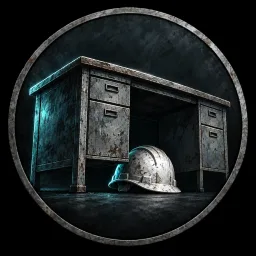 Quake InstructorDid it by the book. Desk, gas, stairs, sports ground — textbook.
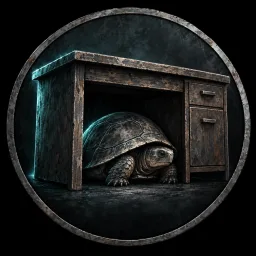 The under-the-desk turtleHeld the desk legs for 40 seconds straight. This time, that was the answer.
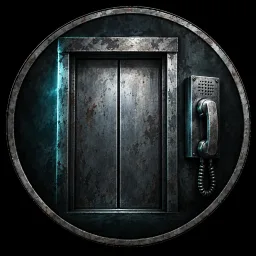 Elevator Rescue ChiefGot Seo-jun out from between floors 11 and 12 — not by hand, by reporting it right.
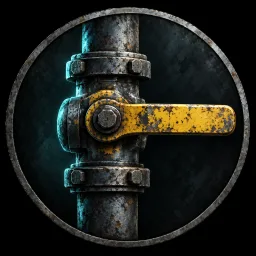 The One Who Shut the GasOne valve under a boiling ramen pot. The quiet hero who stopped a fire.
 19th-Floor ERHeld the lobby and the sports ground together with one bandage.
 Sports Ground CaptainKept people seated between the rumors and the fights.
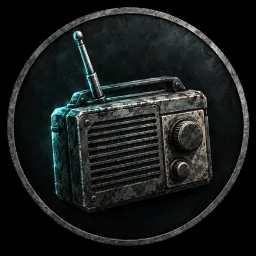 Radio DJWhile everyone panicked over "the big one", read the broadcast out loud.
 Rookie’s GuardianGot the frozen new hire out, all the way.
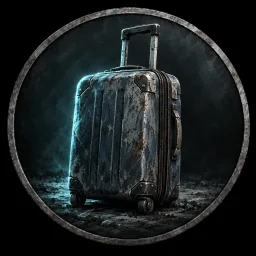 Life Over LuggageLaptop, suitcase, Haeundae bags — they can wait till tomorrow.
 Limping SurvivorBadly hurt, but alive. Less hurt next time?
 The cool-headed survivorGot through the night without big mistakes.
 The lucky-break survivorFull of mistakes, but survived. Will luck hold next time?
16 ways to die
Die and you learn which mistake did it. Every one of them is a mistake that repeats in real earthquakes.
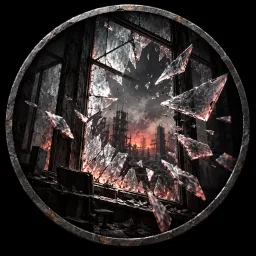 The window watcherCurious about the view. The glass got there first.
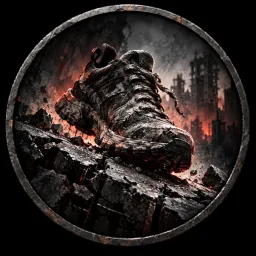 Running through the shakingThe door was far, and the shaking lasted 40 seconds.
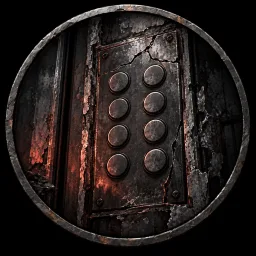 The elevator believerDidn't want to walk 19 floors. Below the door gap was the shaft.
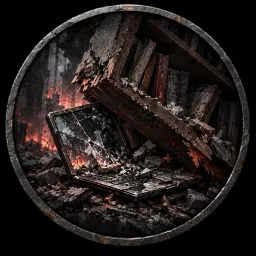 Laptop GuardianTried to save the presentation. The bookcase got there first.
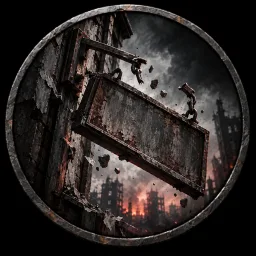 Awning StrollerWalked tight to the buildings like dodging rain. The sign fell.
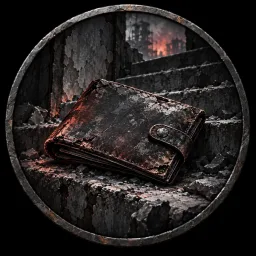 Wallet Retrieval Mission"Just ten minutes." The aftershock didn't wait.
 Bare-Handed RescuerThe heart was right. The method was wrong.
 Just One CigaretteYou can't see gas.
 Van Ride HomeThe van stopped, and the ground shook again.
 Sea WatcherSwiped away the advisory. The bags were at the lodging.
 Lured by a False Rumor"Underground is safer", "The big one is coming" — followed the rumors.
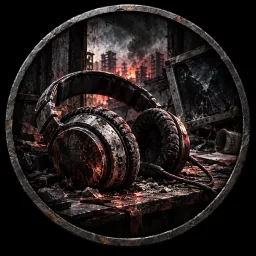 The one who hoped it was a dreamSilenced the alert and put their head back down. It wasn't a dream.
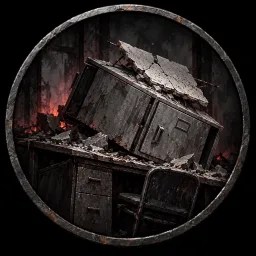 Buried by Falling DebrisGot low, but too late. The ceiling and furniture came down first.
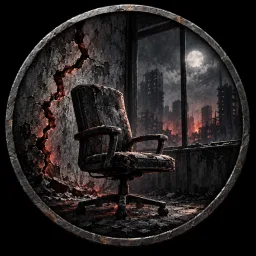 A Night on the 19th FloorKnew the stairs were right there. The crack in the wall grew all night.
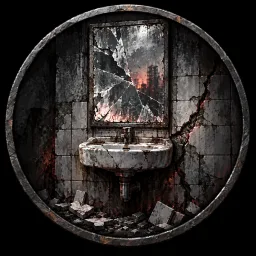 Just Popping InThe line was long and the night was cold. The cracked school building gave no grace period.
 The One Who Went to Fight the FireThe open gas valve kept nagging. The smoke filled the stairwell first.
10 tips to survive the game (and a real earthquake)
- Protect yourself before you check. An earthquake alert isn't a cue to read the news — it's a cue to take cover. Near the epicenter, shaking can arrive seconds after the alert.
- Get under a table and hold on to a leg. It's the safest position while the ground is moving.
- No table? Cover your head with a cushion or bag and get low.
- Stay away from windows, bookcases and light fixtures. Shaking is stronger and lasts longer on high floors.
- Don't run while it's shaking. Strong shaking usually lasts no more than a minute or two. Running is how you fall and get hit.
- Once it stops, turn off gas and power and open the door to secure an exit.
- Stairs, not elevators. Tell anyone stuck in an elevator to press every floor button and use the emergency intercom.
- Outside, shield your head with your bag and keep away from buildings and signs. Don't hug the storefronts.
- Go to open ground like a school field or park, and don't drive. An underground mall is not open ground.
- After evacuating, trust official broadcasts and don't go back into a building before it's inspected. Aftershocks come.
The real-world version, with sources, is in What to do in an earthquake.
Send a rescue request to a friend
When a run ends, enter your name and share the result. Your friend gets an illustrated card link, sees exactly what you did during those 40 seconds and what went wrong, and can try it themselves. This game is one episode of the Korean "Salanamgi" (Survive) series, where you live through official safety guidance yourself.
FAQ
Is the earthquake game free?
Yes. No payment, no download — a completely free browser game that works on phones, tablets and PCs.
How long does a run take?
Usually 3–4 minutes. The 5-second alert and 40 seconds of shaking play in real time; the night at the evacuation site moves fast.
Is it based on a real Busan earthquake?
No. The M6.5 quake off Busan is fictional, as are the company, building and characters. It is not a damage forecast or official guidance, and it doesn't use real fault names or scenes from past earthquakes.
How realistic is it?
The numbers are simplified for the game, but every correct choice comes from official guidance: take cover under a table while shaking, cut gas and power once it stops, use the stairs, evacuate to open ground, don't drive.
Why is under the desk the right answer? Shouldn't I run outside?
Most earthquake injuries come from falling and toppling objects and broken glass. Moving while the floor shakes makes you likely to fall or be hit, so official guidance says protect yourself under a table during the shaking and take the stairs out once it stops.
Does the screen shake for the full 40 seconds?
During the main quake the picture shakes gently and your phone vibrates in short bursts; the big jolts come only at the first impact and during aftershocks. Sound and vibration on makes it far more intense.
Can I play on my phone?
Yes. It's designed for a portrait phone screen. Android phones vibrate; on iPhone the shaking is shown with the screen and sound instead.
Are there other disaster episodes?
Yes. The series also includes Nuclear Blast: 20 Minutes to Fallout, set in Seoul, and more disaster episodes are on the way.